

The Shepherds
Experience the awe and joy of the shepherds as they encounter the angel and witness the birth of Jesus. This devotional explores their journey from fear to joy, inspiring us to share the good news of Christ's love with the world.
Day 11: The Shepherds
Luke 2:9-11, 15-18 (NIV) 9 An angel of the Lord appeared to them, and the glory of the Lord shone around them, and they were terrified. 10 But the angel said to them, “Do not be afraid. I bring you good news that will cause great joy for all the people. 11 Today in the town of David a Saviour has been born to you; he is the Messiah, the Lord.
15 When the angels had left them and gone into heaven, the shepherds said to one another, “Let’s go to Bethlehem and see this thing that has happened, which the Lord has told us about.” 16 So they hurried off and found Mary and Joseph, and the baby, who was lying in the manger. 17 When they had seen Him, they spread the words that they had been told about the child, 18 and all who heard it were amazed at what the shepherds said to them.
Devotional:
Imagine a quiet night in the fields near Bethlehem. The air is crisp, and the stars twinkle brightly. You are a shepherd, watching over your flock with care, when suddenly, an angel of the Lord appears, surrounded by a divine glow. The angel brings a message of great joy: the birth of the Saviour, the Messiah, in your very town.
The shepherds, initially struck with fear, find their hearts transformed by this heavenly announcement. They decide to journey to Bethlehem to see this miraculous event for themselves. Upon finding Mary, Joseph, and the baby Jesus, their hearts overflow with joy and amazement. They leave the manger, not just as simple shepherds, but as messengers of the greatest news ever told.
In those times, shepherds were seen as humble and insignificant in society. Yet, God chose them to be the first to hear of Jesus' birth. This choice by God shows His love and regard for all, irrespective of their social standing. It also reminds us that the message of Jesus' birth is for everyone: the high and the low, the rich and the poor, the learned and the simple.
The shepherds' experience is a beautiful picture of transformation and purpose. They went from ordinary night watchers to heralds of the most extraordinary news. This transformation was not just external; it affected their very beings. They became filled with joy and urgency to share what they had seen and heard.
Like the shepherds, we too are called to share the good news of Jesus Christ. We may feel ordinary, but God has entrusted us with an extraordinary message. The shepherds didn't keep the news to themselves; they shared it with all who would listen. We, too, are challenged to do the same.
This story encourages us to look beyond our fears and limitations. The shepherds were initially terrified, but their fear turned to joy as they embraced God's message. We can find courage in their story to step out in faith, share our faith, and spread the joy of Jesus' birth.
Practical Steps
Reflect on the shepherds' story and ask yourself: How can I share the joy of Jesus' birth with others?
Pray for opportunities and courage to share your faith.
Look for practical ways to demonstrate the love of Christ in your daily interactions.
The story of the shepherds in Luke 2 is a powerful reminder of God's inclusive love and the transformative power of the gospel. It challenges us to be messengers of hope and joy, just like the shepherds who first heard the angel's message on a starry night in Bethlehem.
Prayer
Dear Lord, thank You for the beautiful example of the shepherds. Help us to be bold and joyful in sharing the good news of Your Son, Jesus Christ. May we be filled with the same excitement and urgency as the shepherds to spread Your message of love and salvation. In Jesus' name, Amen.
Action Step
Reflect on the joy and excitement you feel when you receive good news. How can you channel this enthusiasm into sharing the good news of Jesus Christ with others? Let the story of the shepherds inspire you to become a joyful messenger of God's love and salvation.

Elizabeth
In 'Embracing Divine Favour', we journey with Elizabeth, understanding the true essence of being favoured by God. Experience how her humble acceptance of God's plan teaches us to embrace our role in His divine purposes.
Day 10: Elizabeth
Luke 1:41-45 (NIV) 41 “When Elizabeth heard Mary’s greeting, the baby leaped in her womb, and Elizabeth was filled with the Holy Spirit. 42 In a loud voice she exclaimed: “Blessed are you among women, and blessed is the child you will bear! 43 But why am I so favoured, that the mother of my Lord should come to me? 44 As soon as the sound of your greeting reached my ears, the baby in my womb leaped for joy. 45 Blessed is she who has believed that the Lord would fulfil his promises to her!”
Devotional:
The story of Elizabeth is one of humility, faith, and divine favour. As we read Luke 1:41-45, we witness a profound interaction between two women chosen by God to play pivotal roles in His grand design. Elizabeth, an elder relative of Mary, experiences a miraculous pregnancy in her old age. Her story is a testament to the fact that God's ways are often beyond our understanding and that He uses the most unexpected people for His purposes.
In the passage, when Elizabeth hears Mary's greeting, something extraordinary happens. The baby in her womb, who we know as John the Baptist, leaps for joy. This reaction is more than just a physical response; it signifies the recognition of the coming Messiah, even from within the womb. Elizabeth is then filled with the Holy Spirit, and in a loud voice, she proclaims blessings upon Mary and the child she bears.
The humility of Elizabeth is striking. She wonders why she is so favoured that "the mother of my Lord should come to me." This is a profound statement of faith and recognition of Mary's child as the Lord. Elizabeth, despite her own miraculous circumstances, recognises the greater significance of Mary's child. Her question is not one of doubt but of awe and wonder at the workings of God.
Elizabeth's blessing over Mary, "Blessed is she who has believed that the Lord would fulfil his promises to her,” is a powerful reminder of the importance of faith. Mary believed in the promise of God, despite the seeming impossibility of her situation. Elizabeth recognises this faith and blesses it.
From this narrative, we learn several vital lessons. Firstly, God often chooses the most unlikely individuals to fulfil His purposes. Elizabeth, an older woman who had been barren, becomes the mother of John the Baptist, the forerunner of Christ. Her story encourages us to look beyond our limitations and trust in God's plan for our lives.
Secondly, the story highlights the power of faith. Mary's faith in God's promise made her blessed among women, and Elizabeth's recognition of this faith is a call for us to also believe in the promises of God, even when they seem impossible.
Thirdly, Elizabeth's humility in recognising the work of God is a lesson for us all. She does not boast about her role or become envious of Mary's more significant part in God's plan. Instead, she rejoices in the favour granted to her and acknowledges the greater purpose at play.
As we reflect on Elizabeth's story, let us consider our own lives. Are we open to the workings of God, even when they come in unexpected ways? Do we have the faith to believe in His promises, even when they seem beyond our reach? And do we possess the humility to rejoice in whatever role we are given in God's grand design?
PRAYER:
Dear Lord, I pray that You will show me my role in Your Kingdom. Like Elizabeth, may I find favour in Your eyes so that I will not miss the opportunities to participate in Your work. I pray all this in the mighty name of our everlasting King and Lord, Jesus Christ. Amen.
ACTION STEP:
Think of a time when you received favour from someone. How did it make you feel? Reflect on how Elizabeth might have felt to be involved in the birth of the Saviour. Consider the humility and faith she displayed and how you can incorporate these virtues into your life.
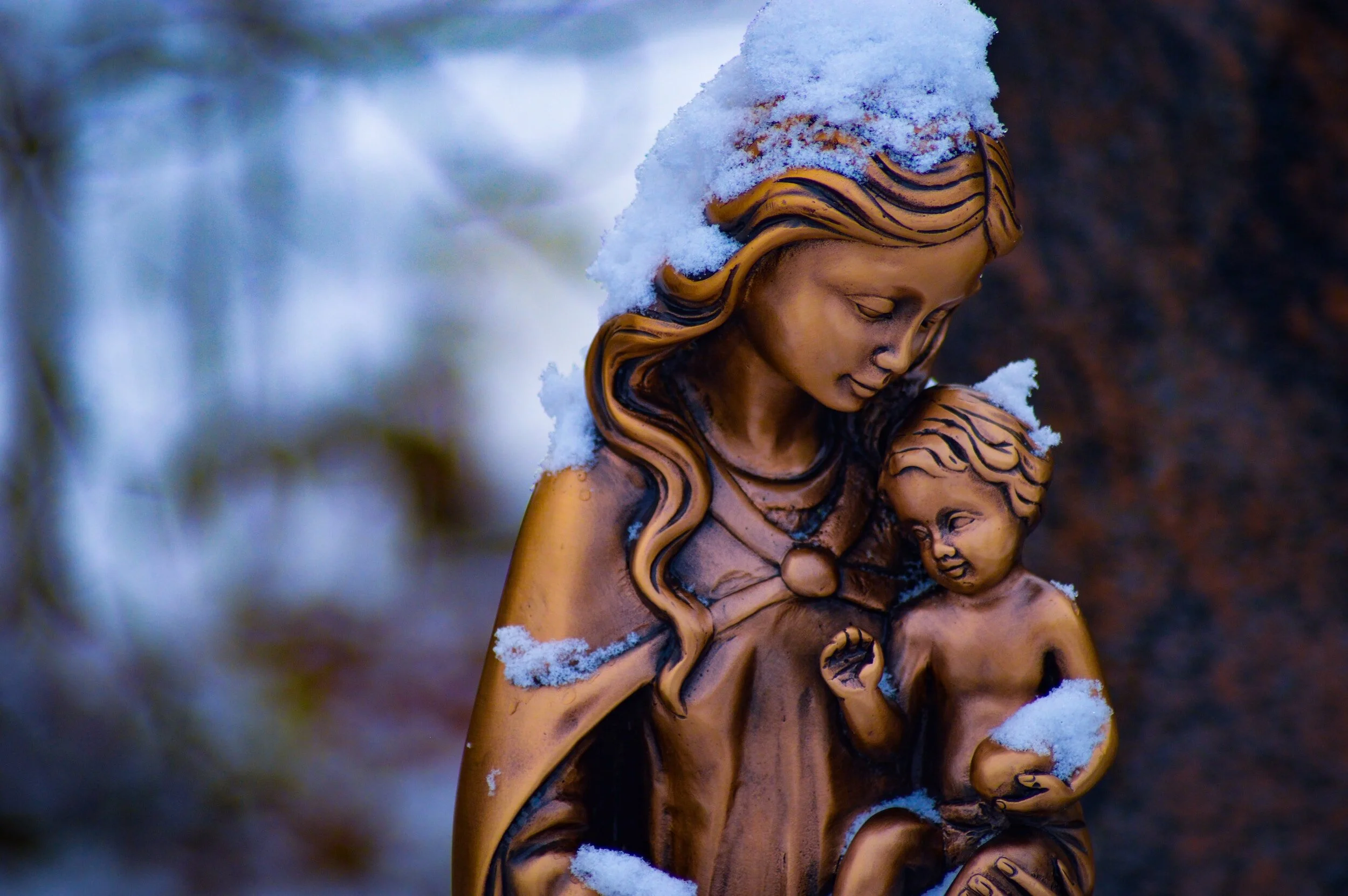
Mary
Explore Mary's extraordinary faith and how her response to God's plan can inspire us to embrace our own divine journeys with trust and submission.
Day 9: Mary
Luke 1:34-38 (NIV) 34 “How will this be,” Mary asked the angel, “since I am a virgin?” 35 The angel answered, “The Holy Spirit will come on you, and the power of the Most High will overshadow you. So the holy one to be born will be called the Son of God. 36 Even Elizabeth your relative is going to have a child in her old age, and she who was said to be unable to conceive is in her sixth month. 37 For no word from God will ever fail.” 38 I am the Lord’s servant,” Mary answered. “May your word to me be fulfilled.” Then the angel left her.
Devotional:
Life often presents us with challenges and situations that are beyond our understanding. In such moments, the story of Mary, as recounted in Luke 1:34-38, offers us a remarkable example of faith and trust in God's plans.
Imagine a young Mary, confronted with an angelic visitation. The news she receives is nothing short of astonishing – she is to become the mother of the Messiah, despite being a virgin. This moment is pivotal, not just in Mary's life, but in the history of mankind. It's a point where divine intervention meets human obedience.
Unlike Zechariah, who doubted the angel's message about his wife Elizabeth’s pregnancy, Mary's response is one of humble acceptance. Her question, "How will this be," reflects curiosity rather than doubt. When the angel explains that the Holy Spirit will come upon her, she embraces this supernatural plan without hesitation.
The angel's assurance, "For no word from God will ever fail," is a cornerstone of our faith. This statement holds as much truth for us today as it did for Mary. In our lives, when faced with seemingly impossible situations, we can draw strength from this promise.
Mary's story teaches us about the beauty and power of divine submission. When God's plans intersect with our lives, they might seem overwhelming or even impossible. But Mary's example shows us that with God, all things are possible.
Mary's faith and obedience set into motion the fulfilment of God's salvation plan for humanity. Her willingness to be used by God is a call for us to also be open and obedient to His leading in our lives.
Mary's story is a call to trust God even when His plans are beyond our understanding. Her faith was not based on her ability to comprehend the situation but on her knowledge of God’s nature and His faithfulness.
Prayer:
Heavenly Father, thank You for Your unfailing word. Just like Mary, help me to embrace Your plans for my life with faith and trust. Even when Your ways are beyond my understanding, let me find comfort and assurance in Your promises. Guide me to be a vessel for Your will, trusting that You are working all things for good. In Jesus’ name, Amen.
Action Step:
Reflect on Mary's response to the angel's message. Consider the promises God has made in your life. Take time today to pray for the fulfilment of these promises, and ask for the faith to trust in God's plan, just as Mary did.
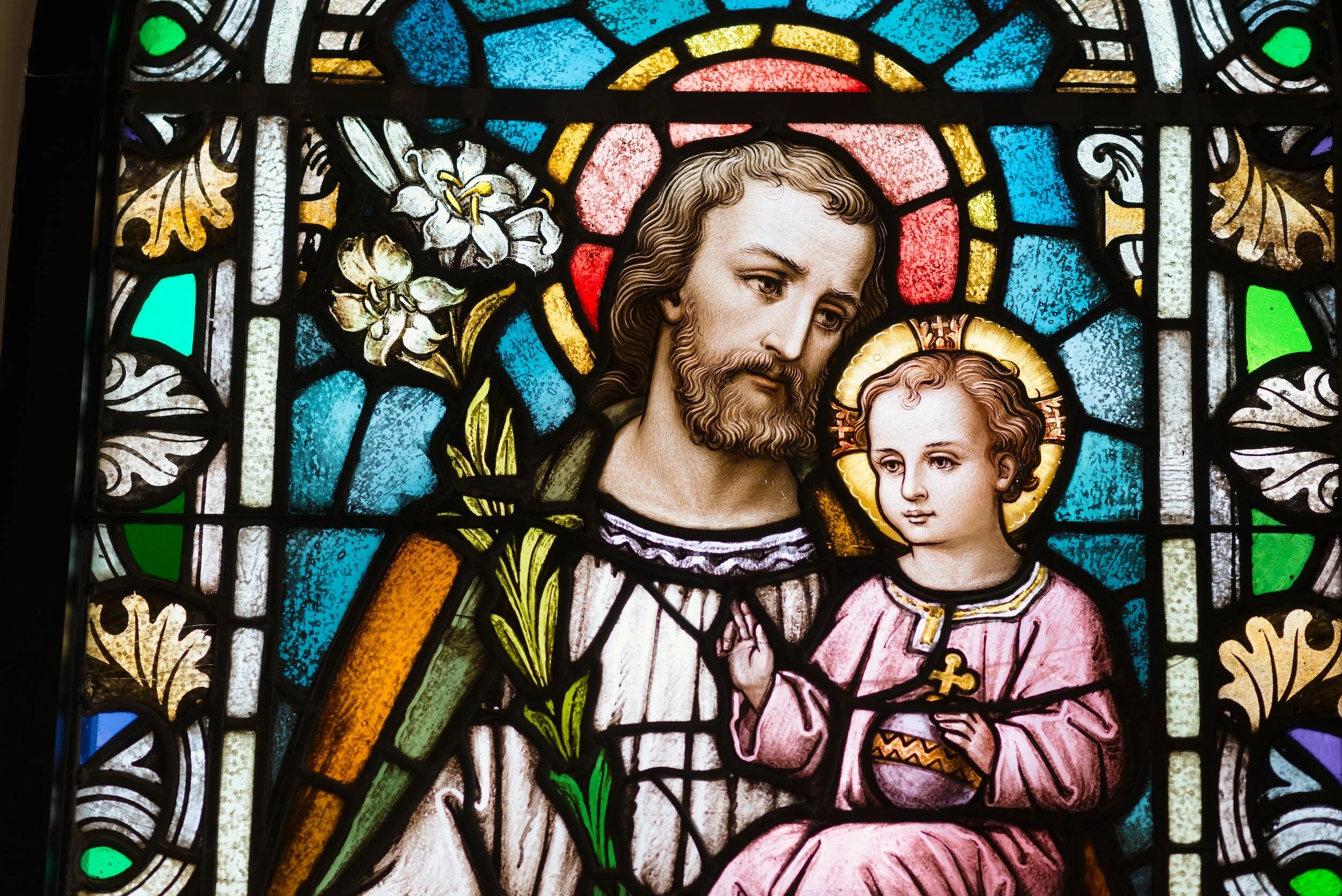
Joseph
Delve into the heart of Joseph's journey, from doubt to faith, as he navigates the revelation of Mary's divine pregnancy. This devotional offers insights into embracing God's plans with trust and grace.
Day 8: Joseph
Matthew 1:19-20 (NIV) 19 “Because Joseph her husband was faithful to the law, and yet did not want to expose her to public disgrace, he had in mind to divorce her quietly. 20 But after he had considered this, an angel of the Lord appeared to him in a dream and said, “Joseph son of David, do not be afraid to take Mary home as your wife, because what is conceived in her is from the Holy Spirit.”
Devotional:
In the tapestry of biblical narratives, few figures stand as quietly impactful as Joseph, the earthly father of Jesus Christ. Today, we turn our focus to him, an emblem of steadfast faith and unsung heroism in the face of bewildering circumstances.
The life of Joseph, as depicted in Matthew 1:19-20, unravels a story not just of a man, but of unwavering trust in God amidst life's storms. When Joseph discovered Mary, his betrothed, was pregnant, his world was turned upside down. Under Jewish law, Mary's pregnancy was not just a scandal; it was a transgression punishable by death. Joseph, a righteous man, was torn between his adherence to the law and his love for Mary.
Imagine the turmoil in Joseph’s heart - the confusion, the hurt, the sense of betrayal. Yet, in this whirlwind of emotions, Joseph's character shines forth. His decision to divorce Mary quietly speaks volumes of his compassion and unwillingness to harm her. This choice alone sets Joseph apart, showcasing a heart that seeks to protect rather than punish.
Then comes the divine intervention. An angel of the Lord appears to Joseph in a dream, revealing the truth behind Mary's pregnancy and God's magnificent plan. This moment is pivotal. Joseph's response to this divine revelation is nothing short of extraordinary. He embraces faith over fear, trust over doubt. He takes Mary as his wife, stepping into a role that would change the course of history.
Joseph's actions are a testament to his faith in God. He had every reason to succumb to fear and societal pressure, yet he chose to believe in the Lord's message. His willingness to accept what was beyond understanding and to act in obedience is a powerful lesson for us all.
As we reflect on Joseph's journey, we're invited to consider our own responses to life's unexpected turns. How often do we face situations that seem inexplicable, unfair, or even impossible? Joseph's story urges us to look beyond our immediate perceptions and trust in God's greater plan.
His life also teaches us about true righteousness. It's not just about adherence to law or societal norms, but about the heart's posture towards God and others. Joseph's righteousness was demonstrated in his merciful actions and his unwavering faith.
Prayer:
Heavenly Father, thank You for the example of Joseph, who showed us the beauty of faith in the face of uncertainty. Help us to embody his courage and trust in You, even when the path ahead seems unclear. Grant us a heart of compassion and forgiveness, that we may act in love and grace as Joseph did. In Jesus’ name, Amen.
Action Step:
Today, let's take a moment to place ourselves in Joseph's shoes. Imagine the array of emotions he must have felt - the initial shock, the hurt, the confusion. Yet, in all this, he chose to act in love and obedience. How can we emulate Joseph's faith and compassion in our own lives? When faced with challenging situations, how can we respond with a heart aligned to God’s will, as Joseph did? Let's strive to be beacons of faith and love in a world that often leans towards judgment and fear.
In the journey of faith, Joseph is a shining example of what it means to trust God's plan above our own understanding. His story is a call to us to embrace faith over fear, compassion over condemnation, and divine purpose over personal prejudice. Let's walk in his footsteps, with our eyes fixed on God, our hearts open to His leading, and our lives a testament to His unfailing love and grace.

Prince of Peace
Dive into the essence of Isaiah 9:6 in this easy-to-understand devotional. Explore how Jesus, the Prince of Peace, can transform your everyday life, offering a haven of calm and hope in a chaotic world
DAY 7: PRINCE OF PEACE
Isaiah 9:6 (NIV) 6 “For to us a child is born, to us a son is given, and the government will be on his shoulders. And he will be called Wonderful Counsellor, Mighty God, Everlasting Father, Prince of Peace.”
Devotional:
Sometimes, in the rush of life, we forget the deep lessons that the Bible offers us. Let's take a moment to look closely at Isaiah 9:6. This verse talks about Jesus' birth and the big impact it had.
One of the names given to Jesus here is the Prince of Peace. This name is special because it reminds us that Jesus came to bring peace – not just a lack of fighting, but a true, deep peace inside us that can help us no matter what's happening around us.
Think about the world today. There's a lot of trouble and conflict, isn't there? This shows us that many people haven't accepted Jesus' way of peace. But we should keep hope alive because the Bible tells us Jesus will come back. This time, he'll come as a powerful King to bring all who believe in him into a beautiful, peaceful life forever.
This isn't just something that will happen far in the future; it's important for us now. It's a reminder to live each day as Jesus wants us to and to share his message of peace with others.
Prayer:
Dear God, In this world where there's so much fighting and pain, I ask for your protection. I think of all those who trust in you, especially those who are caught in wars. Please give them your peace, the kind that's so deep it can't be shaken by what's going on around them. In Jesus' name, Amen.
Action Step:
Think about Jesus coming back. What does that mean for your own life? What do you need to do to get ready for that day? Spend some time today thinking about this. Is there anything in your life that doesn't match up with what Jesus teaches? If so, now's a good time to start making changes, so you're ready and waiting for the Prince of Peace.

Our Healer
Day 6 of our devotional series brings us closer to understanding the healing power of Jesus as shown in Isaiah 53:5. Dive into the promise of physical, emotional, and spiritual healing that comes from His sacrifice.
DAY 6: OUR HEALER
Isaiah 53:5 (NIV) 5 “But he was pierced for our transgressions, he was crushed for our iniquities; the punishment that brought us peace was on him, and by his wounds we are healed.
Devotional:
Today, we're diving deep into a very special part of the Bible, Isaiah 53:5. This verse isn't just a few words; it's a powerful story about Jesus and His incredible love for us. It tells us about the pain and suffering He went through because of our mistakes - our transgressions and iniquities.
The words "pierced" and "crushed" show us just how much Jesus suffered. He didn't just feel a little pain; He felt a lot. And He did this for us. Why? Because He loves us so much. He took all that punishment so that we could have peace. It's like He took our place and faced all the bad things we should have faced.
The best part of this verse is the ending: "by his wounds we are healed." This doesn't only mean our bodies can be healed from sickness, but also our hearts and minds can find peace and healing. It's a promise that no matter what we're going through - be it sadness, worries, or even physical pain - Jesus' love and sacrifice can bring us healing.
Prayer
Heavenly Father, today we want to say a big thank you. Thank you for loving us so much that You sent Jesus to help us. Thank You, Jesus, for taking all that pain so we can be forgiven and healed. Please help us remember Your love every day, and help us to find healing in You. In Jesus' name, Amen.
Action Step
Let's not just read these words today; let's live them. Take some time to pray using Isaiah 53:5. Pray for yourself, for any healing you need. Then, think of others - your family, friends, even people you don't know well. Pray for their healing too. Remember, God loves everyone and wants us all to be healthy and at peace.

The Sanctuary
Uncover the profound significance of Christ as a sanctuary in our lives, as highlighted in Isaiah 8:14 and 1 Peter 2:7-8. This devotional guides you through understanding and embracing Jesus' role as both a shelter and a challenge in our spiritual walk.
DAY 5: THE SANCTUARY
Isaiah 8:14 (NIV) 14 “He will be a holy place (sanctuary); for both Israel and Judah, he will be a stone that causes people to stumble and a rock that makes them fall. And for the people of Jerusalem he will be trap and a snare”.
1 Peter 2:7-8 (NIV) 7 “Now to you who believe, this stone is precious. But to those who do not believe, “The stone the builders rejected has become the cornerstone,” 8 and, “A stone that causes people to stumble and a rock that makes them fall.” They stumble because they disobey the message—which is also what they were destined for.
Devotional:
In the midst of life's tumultuous waves, where do we find our sanctuary? This is a question as old as time, yet its answer is eternally relevant. Today, let us look into the essence of Jesus Christ as our sanctuary, the refuge for our souls, as depicted in the scriptures of Isaiah and Peter.
The imagery presented in these verses is rich and layered. Jesus is described both as a sanctuary – a holy place of refuge and safety – and paradoxically, as a stone that causes people to stumble. This duality is not a contradiction, but rather a profound truth about the nature of our walk with Christ.
To those who believe, who have opened their hearts to the truth of the Gospel, Jesus is indeed precious. He is the cornerstone of our faith, the solid rock on which we build our lives. In Him, we find a place of rest, a refuge from the storms of life. In His presence, there is peace that surpasses all understanding, a calm amidst chaos.
However, to those who do not believe, who turn away from His message, this same Jesus becomes a stone of stumbling. It's not that Jesus Himself changes, but rather the response to His presence differs based on the condition of our hearts. When we resist His message, when we close our eyes to the light of His truth, we inevitably stumble.
This duality serves as a reminder of the profound impact of our choices. When we choose to trust in Jesus, to build our lives upon His teachings, we find safety and peace. But when we reject Him, we find ourselves lost and stumbling in the darkness.
So, what does it mean to experience Jesus as our sanctuary? It means recognizing the holiness of Christ and allowing it to transform our lives. It means seeing the filth of our sin and acknowledging our need for a Saviour. It means resting in His grace, knowing that in Him, we find forgiveness and a fresh start.
Prayer:
Heavenly Father, thank You for the gift of Your Son, Jesus Christ, who offers Himself as a sanctuary for our souls. Help us to see the areas of our lives where we have resisted Your grace. Teach us to rest in the refuge of Your love, to build our lives on the solid foundation of Your truth. Transform us, Lord, into Your likeness, that we might reflect Your holiness and love to those around us.
Action Step:
Today, take a moment to reflect on how you have experienced Jesus as your sanctuary. How has He been a refuge in times of trouble? In what ways has He challenged you to grow and transform? Write down your thoughts and commit to seeking Him as your sanctuary each day.

Presence of God
Immerse in the transformative journey of understanding 'Immanuel - God with us'. Our devotional offers a heartwarming exploration of the Incarnation and its profound relevance in our daily lives. Experience the closeness of God in a personal, meaningful way.
DAY 4: PRESENCE OF GOD
Isaiah 7:14 (NIV) 14 “Therefore the Lord himself will give you a sign: The virgin will conceive and give birth to a son, and will call him Immanuel, which is translated “God with us”.
Devotional:
Today, on our fourth day together, we look into the heart of a profound and comforting promise: the presence of God among us, as revealed in Isaiah 7:14 and fulfilled in Matthew 1:22-26. This isn't just a historical event; it's a personal invitation to experience God's closeness every day of our lives.
The term 'Incarnation' encapsulates the wondrous act of God taking human form. In Jesus, God didn't just observe humanity from a distance; He became part of our world, experiencing the full spectrum of human emotion and understanding our struggles firsthand. This act of love and humility changed the course of history and redefined our relationship with the Divine.
Reflecting on Jesus's life on Earth, we see a tapestry of joy, pain, triumph, and suffering. He celebrated at weddings, wept over loss, felt the sting of betrayal, and the weight of responsibility. In Jesus, God's omnipotence met human vulnerability, showing us that our weaknesses and challenges are understood by God, not just as a creator, but as one who has walked in our shoes.
In your moments of joy, remember Jesus's laughter and shared happiness. In times of sorrow, recall His tears. When you face trials, think of His endurance. This connection with Jesus brings a profound sense of companionship and understanding into our daily lives.
Prayer:
Heavenly Father, we are eternally grateful for the gift of Your Son, Jesus Christ. His life among us is a constant reminder of Your love and closeness. In Your boundless grace, You chose to experience life as we do, bringing light into our darkness. Help us to feel Your presence in every moment of our lives.
Action Step:
Today, take a moment to reflect on the reality of God walking on Earth. Think about the significance of Jesus's life and teachings. How does knowing God experienced life as a human impact your faith and daily living? Let this reflection guide your actions and interactions today.

Wisdom of God
Embrace the divine wisdom of Jesus, a righteous branch from David's lineage, as prophesied in Jeremiah 23:5. Our Day 3 Devotional invites you to reflect, pray, and act on the profound wisdom found in Christ's life and teachings.
DAY 3: WISDOM OF GOD
Jeremiah 23:5 (NIV) 5“The days are coming”, declares the Lord, “when I will raise up for David a righteous branch, a King who will reign wisely and do what is just and right in the land.”
Devotional:
In the hustle and bustle of our daily lives, it's easy to overlook the profound wisdom that surrounds us, particularly the divine wisdom exemplified by Jesus Christ. Today's scripture, Jeremiah 23:5, beautifully captures the essence of this wisdom, heralding the arrival of a King who personifies righteousness and justice.
This King is none other than Jesus, a branch stemming from the lineage of David. Jesus's coming was not just a fulfillment of prophecy but also a manifestation of divine wisdom in human form. His life, teachings, and actions provide us with a blueprint for living wisely and justly.
Reflecting on this, we are reminded of King Solomon, renowned for his wisdom. Yet, even Solomon's celebrated intellect pales in comparison to the wisdom of Jesus. In 1 Kings 3:12, Solomon's wisdom is acknowledged as unparalleled, but Jesus brings a deeper, more profound understanding that transcends human reasoning.
Prayer
Heavenly Father, in Your infinite wisdom, You sent Your Son, Jesus Christ, to be our guide and example. I am in awe of the depth of wisdom found in His life and teachings. I pray for the discernment to comprehend and embrace the truths that Jesus personified. May His wisdom guide my steps, and may my heart be open to the lessons He imparts. In Jesus's mighty name, Amen.
Action Step
Today, I encourage you to seek a scripture that resonates with your Christmas plans this year. Once you find it, spend time meditating on its message and implications for your life. Let this scripture be a lamp unto your feet, guiding you through the festive season with wisdom and grace.

Ruler of The World
Join our Day 2 devotional journey as we explore the significance of Jesus' birth in Bethlehem, fulfilling ancient prophecies and shepherding us towards a deeper faith and obedience. Discover the transformative power of listening to and following the true shepherd.
DAY 2: RULER OF THE WHOLE WORLD
Micah 5:2 (NIV) 2 “But you Bethlehem Ephrathah, though you are small among the clans of Judah, out of you will come for me one who will be ruler of Israel, whose origins are from old, from ancient times.
Devotional:
Today, let's go on a journey through the humble beginnings of a mighty prophecy, a prophecy fulfilled in the birth of Jesus Christ in Bethlehem. Reflecting on Micah 5:2, we are reminded of the awe-inspiring truth that greatness often springs from the most unassuming origins. Bethlehem, a modest town, yet chosen to be the birthplace of our Messiah, who reigns not only over Israel but over all nations and peoples, including us in our church community.
This remarkable prophecy finds its fulfilment in Matthew 2:6 and John 7:42. It's a testament to God's intricate plan, weaving the tapestry of history to bring forth His chosen ruler from a place least expected. Jesus, born in Bethlehem, embodies the shepherd who cares for His flock, extending His love and guidance beyond Israel to all corners of the world.
In John 10:27-28, Jesus declares, "My sheep hear my voice, and I know them, and they follow me. And I give them eternal life, and they shall never perish; neither shall anyone snatch them out of my hand." These words resonate with profound assurance and comfort. To be known by Jesus, to hear His voice, is to be enveloped in an unbreakable bond of love and protection. It's a reminder that our faith is not just about following a set of rules, but about a deep, personal relationship with the shepherd who knows us intimately and calls us by name.
Prayer
Heavenly Father, we are so grateful for the gift of Your Son, the true shepherd. In a world filled with so many voices vying for our attention, help us to discern and respond to His voice alone. Strengthen us, Lord, that we may not rely on our own understanding but on Your wisdom and guidance. In Jesus' name, Amen.
Action Step
Take a moment today to reflect on the instances when you've heard and obeyed the Lord's voice. Consider how this obedience has enriched your life, strengthened your faith, and drawn you closer to Him. How have these moments of obedience become milestones in your spiritual journey?

The King Is Coming
Explore the profound message of Zechariah 9:9 in our inspiring devotional. Discover how Jesus Christ's kingship, marked by righteousness and victory, transforms our lives. Embrace His reign and let His principles guide your daily journey.
Day 1: The King Is Coming
Zechariah 9:9 (NIV) 9 “Rejoice greatly, Daughter of Zion! Shout, Daughter of Jerusalem! See, your King comes to you, righteous and victorious, lowly and riding on a donkey, on a colt, the foal of a donkey.”
Devotional:
Imagine the scene in Jerusalem: the air buzzing with anticipation, hearts filled with hope. The citizens were not just awaiting any king; they were preparing for the arrival of a King who embodied righteousness and victory. Unlike rulers of the past, this King's dominion would extend beyond the city's walls, reaching the hearts of people across the world.
The fulfillment of this prophecy is beautifully recorded in the Gospels. The Lord Jesus Christ's entry into Jerusalem, humble and riding on a donkey, wasn't just a moment in history. It was a declaration of a new kind of kingship, one marked by humility, righteousness, and victory over sin and death.
The Impact of Jesus' Kingship
The arrival of Jesus as King redefines what leadership and victory mean. His reign isn't about earthly power or dominance. It's about setting a divine standard for morality and ethics, a standard that stands out in today's world more than ever.
Think about it: In a world often led by self-interest, Jesus presents a model of leadership grounded in service and sacrifice. His victory isn't won by force or coercion but through love, grace, and self-giving. This is the King we celebrate and welcome into our lives.
Living Under the Reign of Jesus
Having Jesus Christ as our King isn't just a matter of historical belief; it's about inviting His reign into every aspect of our lives. It's about allowing His principles of righteousness and humility to guide our actions, decisions, and relationships.
Consider this: How does the reign of Jesus influence your daily life? Does His example of humility and service shape how you interact with others? As His followers, we are called not just to admire His qualities but to embody them, transforming our lives and communities in the process.
Prayer
Heavenly Father, we thank You for the gift of Your Son, Jesus Christ, a King whose reign brings righteousness and victory into our lives. Help us to embrace His lordship, allowing His principles to guide our actions and decisions. May we reflect His love and humility in all that we do. Amen.
Action Step
Today, take a moment to reflect on the reign of Jesus in your life. Consider the areas where His influence is evident and the areas where you might invite Him to have greater reign. Embrace His kingship, and let His righteousness and love guide you in all your endeavours.
Isn’t the God We Worship a God of Love?
Explore the profound nature of God's love as revealed in 1 John 4:8. Discover how His love challenges, comforts, and guides us, leading to a transformative journey in line with His will. Delve into the relationship between God's love, truth, and compassion in navigating complex issues like homosexuality. Join us on Day 7 of this enlightening devotional series.
Day 7: Isn’t the God We Worship a God of Love?
MAIN SCRIPTURE: 1 John 4:8 (NLT) 8 But anyone who does not love does not know God, for God is love.
DEVOTIONAL:
Indeed, the God we worship is a God of love. The Bible is very clear that God is deeply loving, merciful, and gracious (Psalm 103:8). It tells us of a God whose love is so vast that He gave His only Son for our salvation (John 3:16), showing us love in a tangible way (1 John 4:9). Indeed, God is love (1 John 4:16).
But God's love isn't just about feeling good. It's like a parent's love. Parents love their kids, right? But that doesn't mean they let their kids do whatever they want. They say 'no' to sweets for dinner or running across the street without looking because they want their kids to be healthy and safe. God's love is like that. He wants the best for us, and sometimes that means He has to guide us away from things that aren't good for us, even things we might think we really want.
Also, it's important to understand that God's love doesn't cancel out His other qualities. The Bible teaches us that God is also just, holy, and true to His Word. These aren't just parts of God; they are who God is at His very core. We can't pick and choose God's attributes according to what we find most appealing or comforting.
When Jesus walked the earth, He embodied God's love, but His love was not a blanket approval of every action. He showed us that true love involves wanting the best for others, and sometimes that means saying 'no' to behaviours and practices that are harmful or lead away from God. For example, in Revelation, the church in Thyatira is commended for their love and service but rebuked for tolerating false teachings and immoral behaviour (Revelation 2:20). Love doesn't just affirm; it also corrects.
In the ongoing debates about homosexuality, Christians are called to hold onto the truth of Scripture while still extending Christ's love to everyone. This can be challenging, especially in a world where ideas about love and tolerance are often shaped more by culture than by the Bible. It's not about being judgmental or harsh, but about remaining faithful to what God has shown us is best for our lives. We must love genuinely, but we also must not diverge from the truth.
So, how do we respond to the question of homosexuality within the context of God's love? By remembering that God's love reaches out to everyone, but it also transforms us. It doesn't leave us as we are; it helps us to grow and change according to His will. This means lovingly speaking the truth and living according to God's design for us, as revealed in the Scriptures.
Prayer:
Heavenly Father, Your love is perfect and unfailing. It challenges us, comforts us, and guides us. Help us to understand Your love not as mere acceptance, but as a transformative power that calls us to live according to Your will. Grant us the wisdom to navigate difficult issues with a spirit of truth and compassion, reflecting Your love in all that we do. May we be instruments of Your love, speaking the truth with kindness and living as testimonies of Your grace. In Jesus’ name we pray. Amen.

Isn’t the Church Supposed to Be a Place for Broken People?
Discover the power of God's transformative grace in the Church. Explore the journey of repentance and change for all, including those with same-sex attraction. Join us on Day 6 as we delve into the hope and healing found in Christ.
Day 6: Isn’t the Church Supposed to Be a Place for Broken People?
MAIN SCRIPTURE: 1 Corinthians 6:11 (NLT) 9 Don’t you realise that those who do wrong will not inherit the Kingdom of God? Don’t fool yourselves. Those who indulge in sexual sin, or who worship idols, or commit adultery, or are male prostitutes, or practice homosexuality, 10 or are thieves, or greedy people, or drunkards, or are abusive, or cheat people—none of these will inherit the Kingdom of God. 11 Some of you were once like that. But you were cleansed; you were made holy; you were made right with God by calling on the name of the Lord Jesus Christ and by the Spirit of our God.
DEVOTIONAL:
The Church, indeed, is a refuge for the broken. It's where all of us, carrying our mistakes and hurts, come to find hope and healing. This includes those who experience same-sex attraction. The question arises, can we know God's grace regardless of our lifestyle choices? Yes, we can, but it's important to understand what grace invites us to.
Grace isn't just about receiving love and forgiveness; it's about transformation. True, nobody's perfect. We all miss the mark. Yet, God's grace does something extraordinary, it doesn't just cover our sins; it changes us from the inside out.
When the Bible speaks about repentance, it's not just saying "I'm sorry." It's about a turnaround, a genuine change of heart and action. This is evident in the lives of those who follow Christ, not just in what they say but also in how they live.
Repentance isn't popular. It's tough to face our wrongs and turn from them. But without this turning, we can't fully grasp who Jesus is or what He's done for us. He invites us not only to regret our wrongs but to leave them behind and start fresh.
Regarding those with same-sex attraction, the Church must be a place where everyone is called to repentance, not singled out unfairly, but invited into a life-changing journey with Jesus. The goal isn't to shame but to welcome everyone into a transformative relationship with God.
True grace is costly. It cost Jesus His life. So, when we accept it, it should reflect in our lives. Assurance of heaven isn't a ticket we claim while living as we please; it's a promise for those who turn from sin and to God.
This isn't about earning salvation, no one can earn it. It's about the evidence of genuine faith, which will inevitably lead to a life that's different from before. A faith without a change in life is questionable.
So yes, the Church is for broken people, but it's also a place where brokenness is mended, not ignored. A place where we come as we are but don't stay as we are. The hope of the gospel is that we can be forgiven, yes, but also that we can be made new.
PRAYER:
Heavenly Father, thank You for the grace that meets us in our brokenness. Help us to understand that Your love and grace call us not to remain in our sins but to turn away from them and follow You. Guide us in Your truth and help us live lives that reflect Your transformative work in us. May our Church be a welcoming place for all who seek You, a place where true repentance and change are embraced. In Jesus’ name we pray. Amen.

How Does the Time of Lot Speak to Our Lives Today?
Discover the prophetic warning from Jesus about Sodom's downfall and its relevance to our lives today. Learn why readiness, not fear, is the key to spiritual vigilance.
Day 5: How Does the Time of Lot Speak to Our Lives Today?
MAIN SCRIPTURE: Luke 17:28-30 (NLT) 28 “And the world will be as it was in the days of Lot. People went about their daily business—eating and drinking, buying and selling, farming and building— 29 until the morning Lot left Sodom. Then fire and burning sulphur rained down from heaven and destroyed them all. 30 Yes, it will be ‘business as usual’ right up to the day when the Son of Man is revealed.
DEVOTIONAL:
Yesterday, we looked at the gravity of the sins that led to the downfall of Sodom and Gomorrah. You see the people of Sodom were consumed with the pursuits of their daily lives, ignorant to the coming judgment. Today, let's think about what Jesus said about Sodom and Gomorrah and what it means for us today. Their story is a simple reminder that God's patience with sin has a limit, and His judgment, though delayed, is certain.
It’s important to understand that Jesus isn't just offering a history lesson; He is providing a prophetic warning. The sudden destruction of Sodom serves as a sobering example of what happens when a society becomes complacent in sin and ignores the signs of divine intervention. The comparison to His return suggests that many will be caught unaware, engaged in the routine of life, indifferent to the spiritual realities and the call to repentance.
The warning is not about bringing fear but about readiness. It is a call to vigilance for us as believers to live in a state of readiness, not getting so entangled in the affairs of this life that we neglect our spiritual vigilance.
Let's think about our own lives. Are we ready for Jesus? Are we too busy with our things that we forget about Him? Jesus invites us to examine our hearts and lives, to turn from sin, and to live with an eternal perspective.
PRAYER:
Heavenly Father, we come before You with humility, acknowledging that Your ways are perfect, and Your wisdom is beyond our understanding. Father, fill us with love and grace for everyone. Keep us ready for Jesus' return, living in Your truth and love each day. In Jesus’ name. Amen.

What Was the Sin of Sodom and Gomorrah?
Delve into the biblical account of Sodom and Gomorrah's sin, as revealed in Genesis 19. Explore the role of homosexuality and discover the broader context of pride, gluttony, and moral decay that led to God's judgment. Learn why this story remains a powerful warning about God's stance on sin and immorality.
Day 4: What Was the Sin of Sodom and Gomorrah?
MAIN SCRIPTURE: Genesis 19:24-25 (NLT) 24 Then the Lord rained down fire and burning sulphur from the sky on Sodom and Gomorrah. 25 He utterly destroyed them, along with the other cities and villages of the plain, wiping out all the people and every bit of vegetation.
DEVOTIONAL:
What was the sin of Sodom and Gomorrah? According to Genesis 19, the sin involved homosexuality. The very name of that ancient city has given us the term sodomy, in the sense of “relation between two men.” Clearly, homosexuality was part of why God destroyed the two cities. This is not to say that homosexuality was the only reason why God destroyed Sodom and Gomorrah. Ezekiel 16:49–50 gives some more insight: “49 Sodom’s sins were pride, gluttony, and laziness, while the poor and needy suffered outside her door. 50 She was proud and committed detestable sins, so I wiped her out, as you have seen.” So, the sins of Sodom included pride, laziness, complacency, idleness, and unconcern for the underprivileged.
Ezekiel 16:50 adds that a sin of Sodom was that they did “detestable things.” The Hebrew word translated “detestable” refers to something that is morally disgusting. It is the same word used in Leviticus 18:22, where homosexuality is an “abomination.” In the New Testament we are given more information in Jude 1:7 (NLT) “7 And don’t forget Sodom and Gomorrah and their neighbouring towns, which were filled with immorality and every kind of sexual perversion. Those cities were destroyed by fire and serve as a warning of the eternal fire of God’s judgment.” So, again, while homosexuality was not the only sin of Sodom and Gomorrah, it does appear to be the primary reason for the destruction of those cities. Sodom and Gomorrah serve as a powerful example of how God feels about sin in general and homosexuality specifically.
PRAYER
Heavenly Father, help us to learn from Sodom and Gomorrah. May we live with humility, generosity, and kindness for the less fortunate. Grant us Your grace to avoid sin and honour You in all we do. In Jesus’ name we pray. Amen.
What Does the Bible Say About Gay Marriage?
Explore the Bible's unwavering view of marriage as a divine covenant between a man and a woman. Discover its profound purpose and significance in God's design for companionship, love, and family. In a changing world, learn how believers can uphold this sacred institution with love and faithfulness while embracing the truth of the Gospel. Dive deep into the timeless wisdom of the Scriptures.
Day 3: What Does the Bible Say About Gay Marriage?
MAIN SCRIPTURE: Genesis 2:24 (NLT) 24 This explains why a man leaves his father and mother and is joined to his wife, and the two are united into one.
DEVOTIONAL:
The Bible, from Genesis to Revelation, paints a consistent picture of marriage as a covenant between a man and a woman. This sacred union, first demonstrated in the Garden of Eden, sets out a pattern for family. A pattern that reflects God's order and provision for human companionship, love, and procreation.
As we have gone through various scriptures during our series, we are reminded that every order of God is rooted in purpose and truth. The union of marriage is designed not only for the mutual joy and support of the couple but also as a testament to the world of God's faithfulness and the beauty of following His design. In a world where the definition of marriage is being questioned and reshaped, it is vital for us, as believers, to lovingly uphold the teachings of the Bible, supporting that marriage, as instituted by God, is between a man and a woman.
Let us also remember that our stance on marriage is not one of judgment but one of faithfulness to the Word of God. We are called to love our neighbours, regardless of their choices, while standing firm in the truth of the Gospel. It is through love and truth that hearts are transformed, and lives are renewed.
PRAYER:
Heavenly Father, we come before You today, seeking wisdom and grace as we defend Your design for marriage. Help us to be ambassadors of Your love, speaking Your truth with gentleness and respect. May we be a reflection of Your love to all, showing compassion without compromising our commitment to Your Word. Strengthen us, O Lord, to be firm in our faith and to walk in a manner worthy of the calling You have given us. In the name of Jesus Christ, our Lord and Saviour, we pray. Amen.

Does God Hate Homosexuals?
Explore the biblical perspective on homosexuality and God's view of this topic. Discover why it's essential to approach this issue with compassion and biblical understanding. Learn more in this insightful discussion.
Day 2: Does God Hate Homosexuals?
MAIN SCRIPTURE: Proverbs 6:16-19 (NLT) 16 There are six things the Lord hates— no, seven things He hates: 17 haughty eyes, a lying tongue, hands that kill the innocent, 18 a heart that plots evil, feet that race to do wrong, 19 a false witness who pours out lies, a person who sows discord in a family.
DEVOTIONAL:
The question of whether God hates homosexuals is one that can cause strong emotions and requires a thoughtful, compassionate, and biblically grounded response. Our scripture today lists seven things the Lord hates: arrogance, lying, killing, plotting evil, a rush to do bad, lying in court, and stirring up trouble. Notice that homosexuality does not make this list. While the Bible declares that God hates all who do evil (Psalm 5:5), the Bible nowhere singles out homosexuals as objects of God’s hatred.
However, this does not mean that the Bible approves of homosexuality. The Bible consistently tells us that homosexuality is a sin. Leviticus 18:22 (NLT) 22 “Do not practice homosexuality, having sex with another man as with a woman. It is a detestable sin.
Romans 1:26-27 teaches explicitly that homosexuality is a result of a continual rebellion against God. When people continue in disbelief, the Bible tells us that God “gives them over,” allowing them to experience their sinful desires and the resulting consequences. Also, it’s very important to note that in 1 Corinthians 6:9 we read that that those who indulge in sexual sin, or who worship idols, or commit adultery, or are male prostitutes, or practice homosexuality, will not inherit the kingdom of God. As we can see the Bible does not describe homosexuality as a greater sin than any other. All sin is offensive to God. Homosexuality like all other sins is immoral and but most importantly unnatural. It is a disruption of the “natural order” and God’s view of sexuality.
Does God approve of homosexuality? The answer is simply no. Can a person truly be a Christian and at the same time a practicing homosexual? According to 1 Corinthians 6:9, the answer is again no, but this also applies to all who indulge in sexual sin, or who worship idols, or commit adultery. God’s forgiveness is available to all sinners, which is all human beings.

In the Image of God
Explore the significance of Genesis in revealing God's design for human beings, marriage, and sexuality. Discover why the Bible emphasizes the union of a husband and wife as a reflection of God's image and purpose. Gain insights into how the Scriptures view marriage, intimacy, and the creation of life, contrasting it with contemporary views on homosexuality. Delve into this thought-provoking discussion on faith and relationships.
What Does the Bible Say About Homosexuality
From Sunday sermon dated 3rd December 2023 on series titled: Exploring Relationships in God's Plan
Day 1: In the Image of God
MAIN SCRIPTURE: Genesis 1:27-28a (NLT) 27 So God created human beings in his own image. In the image of God, he created them; male and female he created them. 28 Then God blessed them and said, “Be fruitful and multiply…” Genesis 2:24 (NLT) 24 This explains why a man leaves his father and mother and is joined to his wife, and the two are united into one flesh.
DEVOTIONAL:
The beginning of Genesis is very important because it helps us understand what God wants for people. When the Bible says we are made in God's image, it means we are very special and important. God made us male and female. It's not just about our bodies or something we made up; it's about how God made us.
When the Bible talks about being 'one flesh' in marriage, it means that a husband and wife come together in a deep connection that is not just physical, but also emotional and spiritual. This kind of deep connection is what God is like, and it's the way sex is supposed to be understood and enjoyed. Marriage is very special, and it's a place where we can really show what it means to be made in God's image.
Even when society might have different ideas about marriage and sex, the Bible sees marriage as the right place for being close and having children, which is a way to share in God's ability to create. So, when it comes to homosexuality, the Bible sees it as different from what God originally wanted. The Bible doesn't include gay marriages in God's plan. Instead, it focuses on men and women together making a complete partnership that can create life and show God's nature in their union.
PRAYER:
Heavenly Father, grant us with the understanding of our creation in Your image, guiding us in clarity to showcase Your plan for human relationships. Grant us grace to honour marriage, reflecting Your unity and diversity. May our interactions, teachings, and lives echo Your foundational truths, mirroring Your love and glorifying You through Jesus Christ, Amen.

Honouring and Nurturing a Pure Marriage
Explore the sacredness of marriage and how Ephesians 5:25-33 teaches us to cherish, honour, and build a pure and selfless love that mirrors Christ's devotion to the church. Discover the keys to a harmonious and loving partnership in this insightful reflection.
Day 7: Honouring and Nurturing a Pure Marriage
MAIN SCRIPTURE: Hebrews 13:4 (NLT) 4 Give honour to marriage and remain faithful to one another in marriage. God will surely judge people who are immoral and those who commit adultery.
DEVOTIONAL:
In our verse for today we are reminded of the sacredness of marriage. The verse encourages couples to cherish and honour their commitment to each other, keeping their bond clean and filled with mutual respect. Just as a garden flourishes when tended to with care, so too does a marriage when nurtured with purity.
Ephesians 5:25-33 paints a beautiful image of how marital love can mirror the profound and selfless love Christ has for the church. In these verses, husbands are encouraged to love their wives with the same depth and devotion that Christ showed for all of us. Wives, too, are called to respect and support their husbands, creating a harmonious and loving partnership.
A pure and strong marriage doesn't just happen; it is built day by day, choice by choice. It is in the small acts of kindness, the gentle words of love, and the consistent efforts to understand and support each other that a marriage truly reflects Christ's love for us.
PRAYER:
Heavenly Father, we seek Your guidance and strength in upholding the purity and faithfulness within our marriages. Help couples to nurture their bond, always reflecting Your unwavering and selfless love for us. May our homes be filled with kindness, understanding, and enduring commitment, becoming a testament to Your divine love. In Jesus’ name we pray. Amen.

Answering the Call to Personal Purity
Explore Apostle Paul's heartfelt message to the Thessalonians, urging them to lead pure and honourable lives. Discover the importance of self-control, aligning with God's will, and finding strength in the Holy Spirit. Embrace a life of purity despite worldly temptations.
Day 6: Answering the Call to Personal Purity
MAIN SCRIPTURE: 1 Thessalonians 4:3-5 (NLT) 3 God’s will is for you to be holy, so stay away from all sexual sin. 4 Then each of you will control his own body and live in holiness and honour 5 not in lustful passion like the pagans who do not know God and his ways.
DEVOTIONAL:
In today's passage, the Apostle Paul sends a heartfelt message to the Thessalonians, encouraging them to lead lives that are pure and honourable. These verses remind us that God's wish for us is to strive for personal purity and holiness in everything we do.
The Apostle Paul highlights the importance of self-control and steering clear of actions driven by uncontrolled desires. He explains that this path of purity isn't just a personal choice, but it's in line with God's will and plan for our lives.
Living a life of purity may seem challenging, especially when we are constantly faced with temptations and pressures from the world around us. However, by leaning on God’s strength and guidance, we can make choices that honour Him and reflect His love.
The Holy Spirit plays a crucial role in guiding us on this path. By seeking God's presence and allowing the Holy Spirit to work in our lives, we find the strength to make choices that are pleasing to God.
PRAYER:
Heavenly Father, we come to You today seeking guidance and strength in our pursuit of personal purity and holiness. Help us to navigate through the challenges and temptations of life with grace and wisdom. Teach us to treat ourselves and others with respect and honour, reflecting Your love in every action. In Jesus’ name we pray. Amen.